The State
of Agent
Governance
Download the full report
Discover four of the biggest gaps in agent governance based on available data — and what you need to solve them.
AI agents could be deployed by 2028
of organizations don't have the governance to support agent growth
of employees use ungovernable shadow AI
of companies have near-to-full ownership of their agents
Your team is shipping with AI.
But as agent sprawl continues to take hold in the enterprise, it's creating a perfect storm of increased complexity and diminishing visibility that, if left unchecked, will overwhelm every infrastructure team, data security program, and token budget in its path.
- Learn about agent sprawl and how it’s driving the agent governance gap
- Review the data and statistics behind the agent governance conversation
- Uncover 4 challenges facing AI in production
- And explore the infrastructure gaps at the heart of the problem
Four agent governance gaps
Read more inside the report
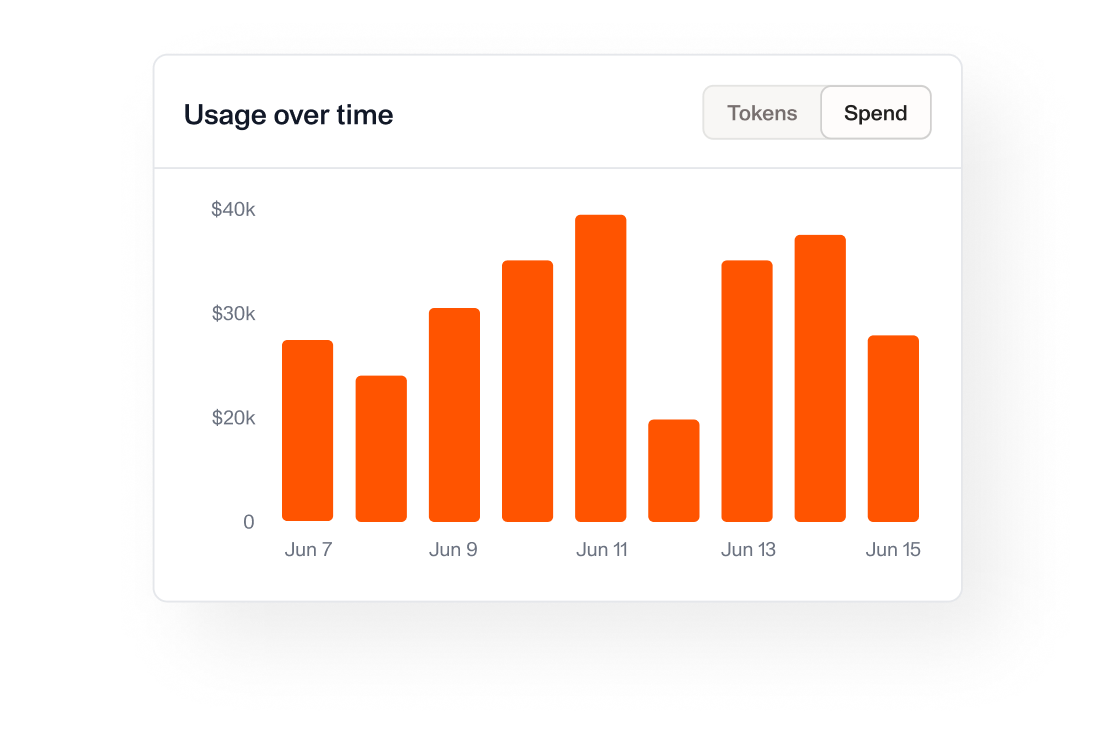
Runaway token costs
Like any governance problem, controlling costs isn't just a simple matter of accounting — it requires a thoughtful and operational approach to infrastructure.
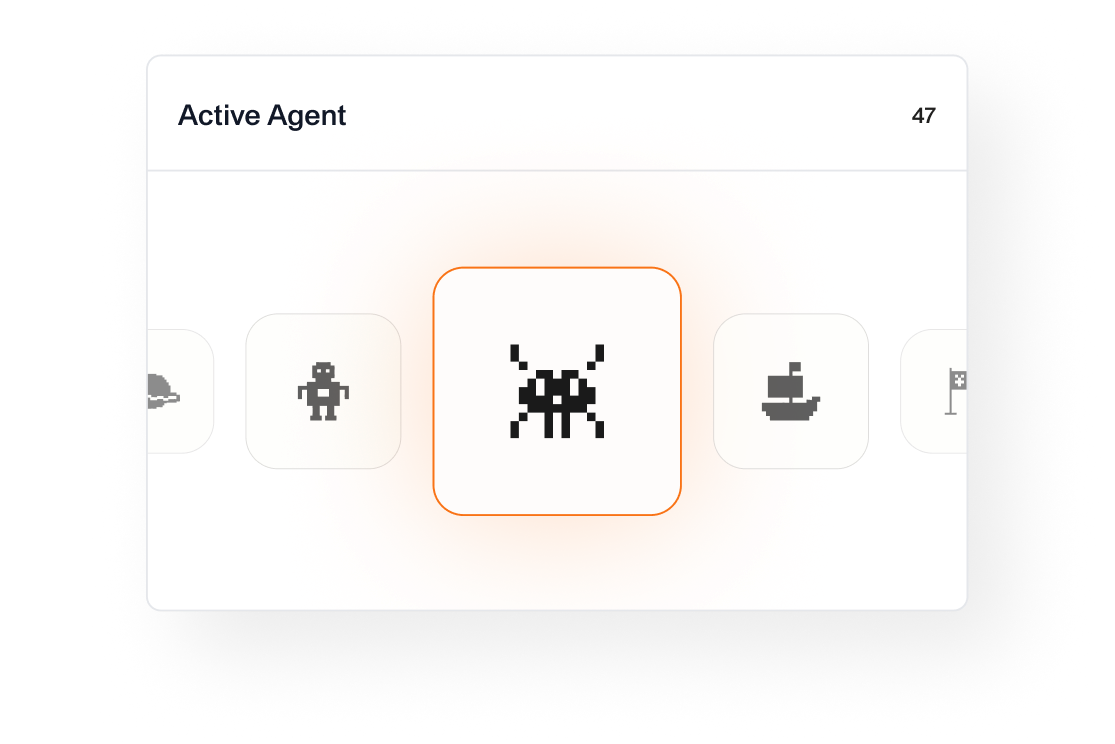
Agent lifecycle management
Building agents is easy. Knowing what agents are active in production and controlling them all in a way that delivers safe, managed, and reliable business outcomes is not.
Unmanaged security risk
According to some estimates, the average enterprise environment contains as many as 800 risky AI agents. For most teams, the bottleneck to adoption isn't competency —it's a lack of trust.
Lack of organizational accountability
If we can't control the outcome of our agents, we need to be diligent about the accountability. But some studies suggest that as few as 15% of organizations have near-to-full agent ownership.