Discover
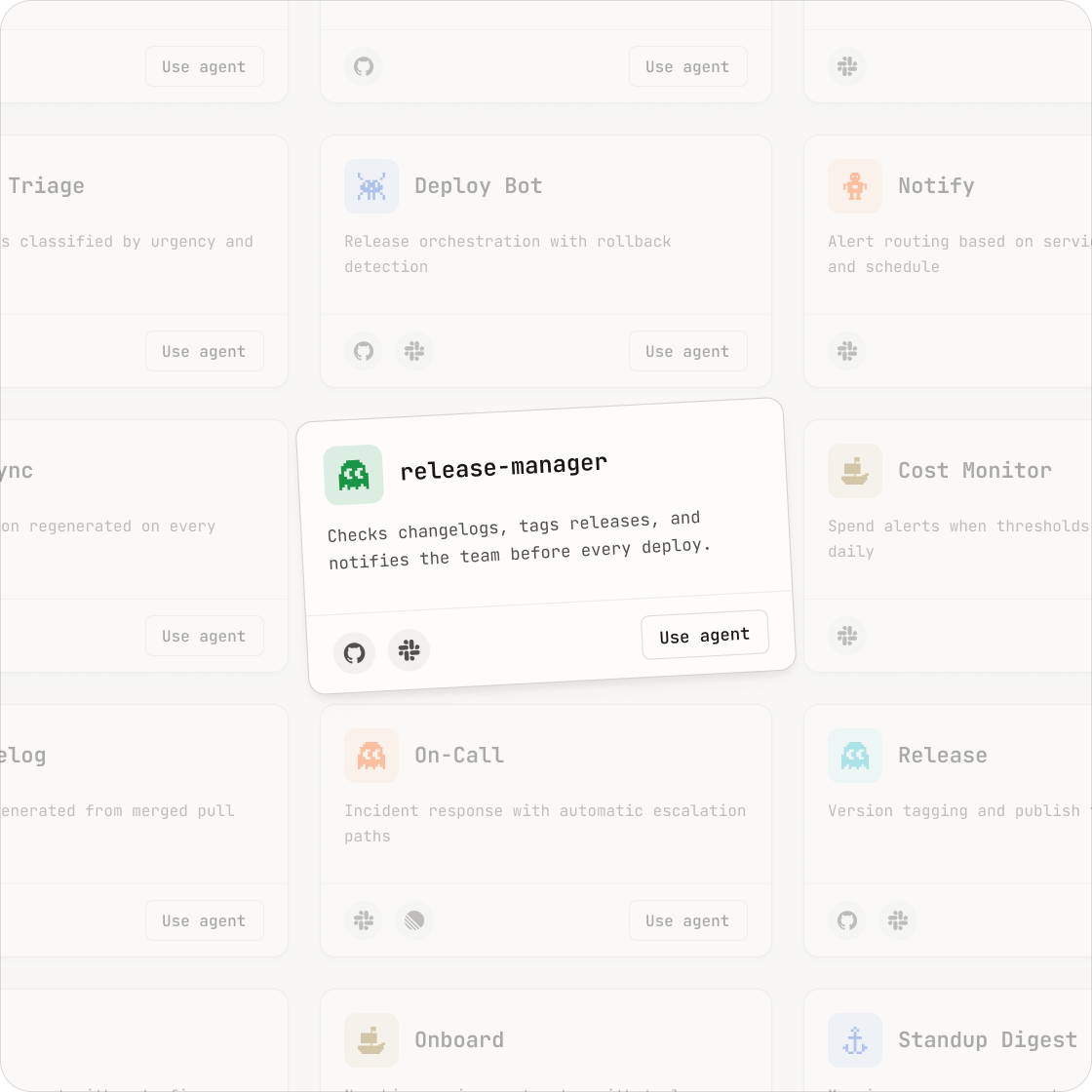
Make it easy to find approved agents, skills, and integrations along with reusable credentials, permissions, infrastructure, and workflows.

AI transformation is not a question of ambition. It's a question of operations. Teams are already experimenting with agents.
The challenge is turning those individual projects into reliable systems the entire organization can use.
Building agents is only the beginning. Organizations need a repeatable way to put them to work across every team. Guild provides the shared infrastructure to move agents into production, make them discoverable across teams, control how they operate, and measure the value they deliver.
Make it easy to find approved agents, skills, and integrations along with reusable credentials, permissions, infrastructure, and workflows.
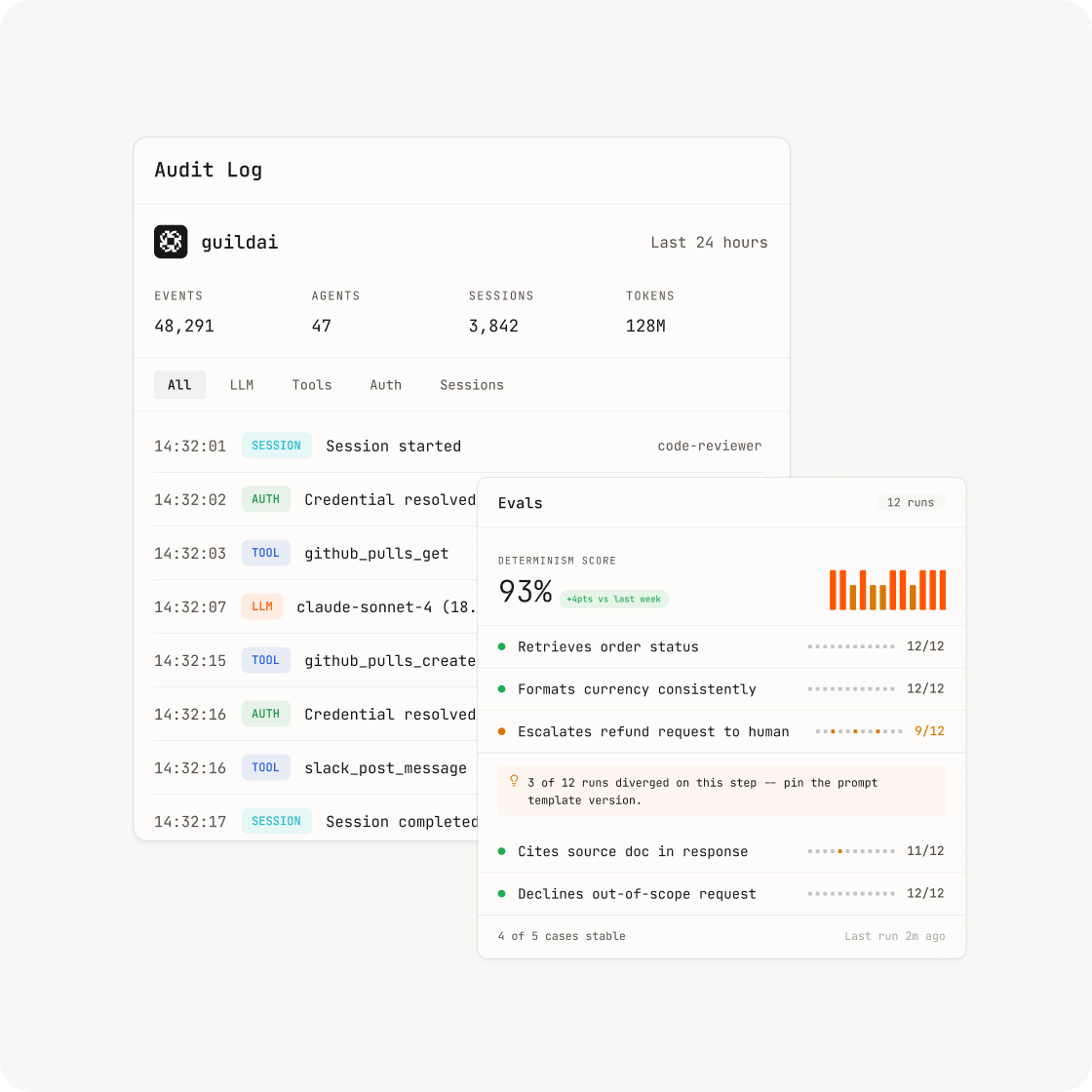
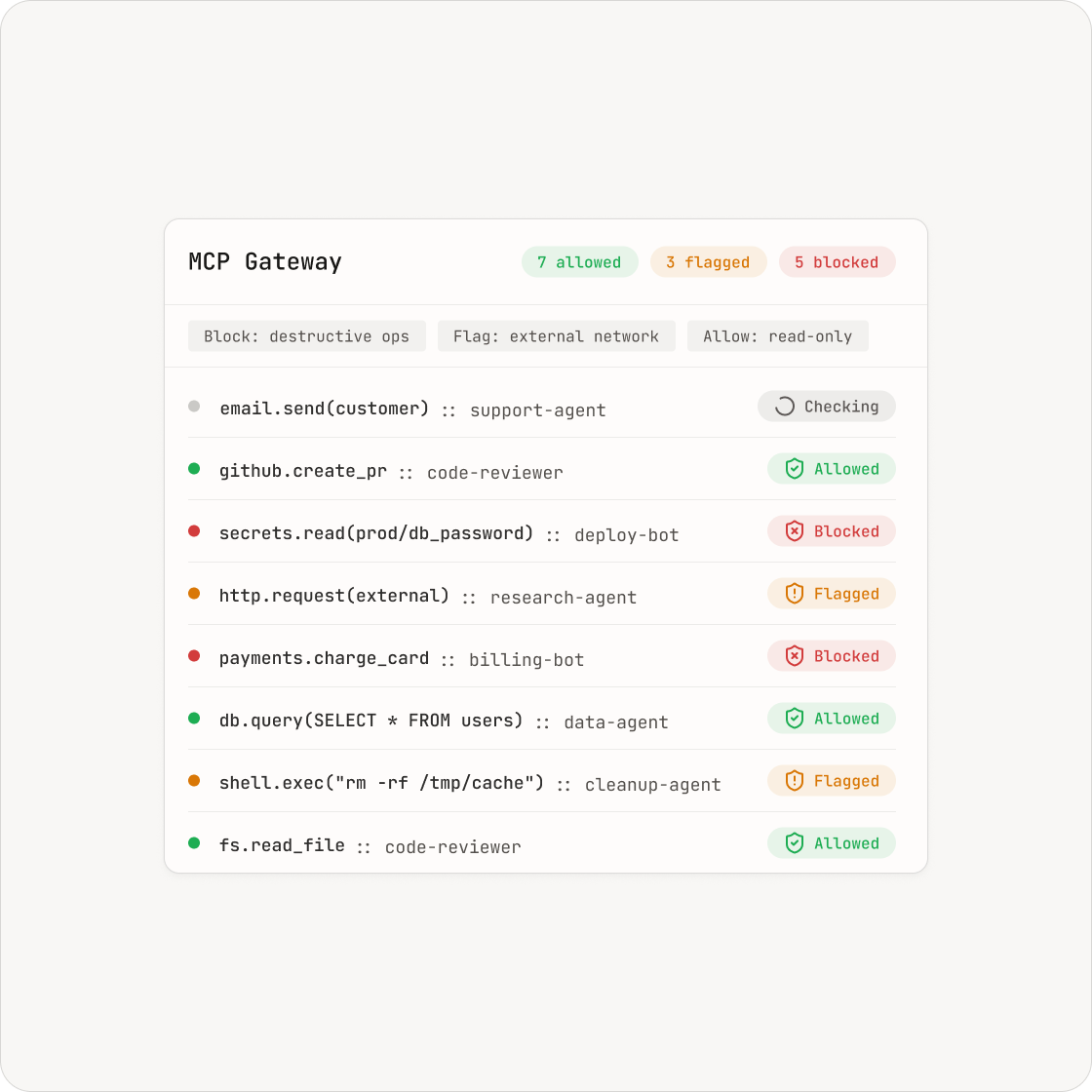
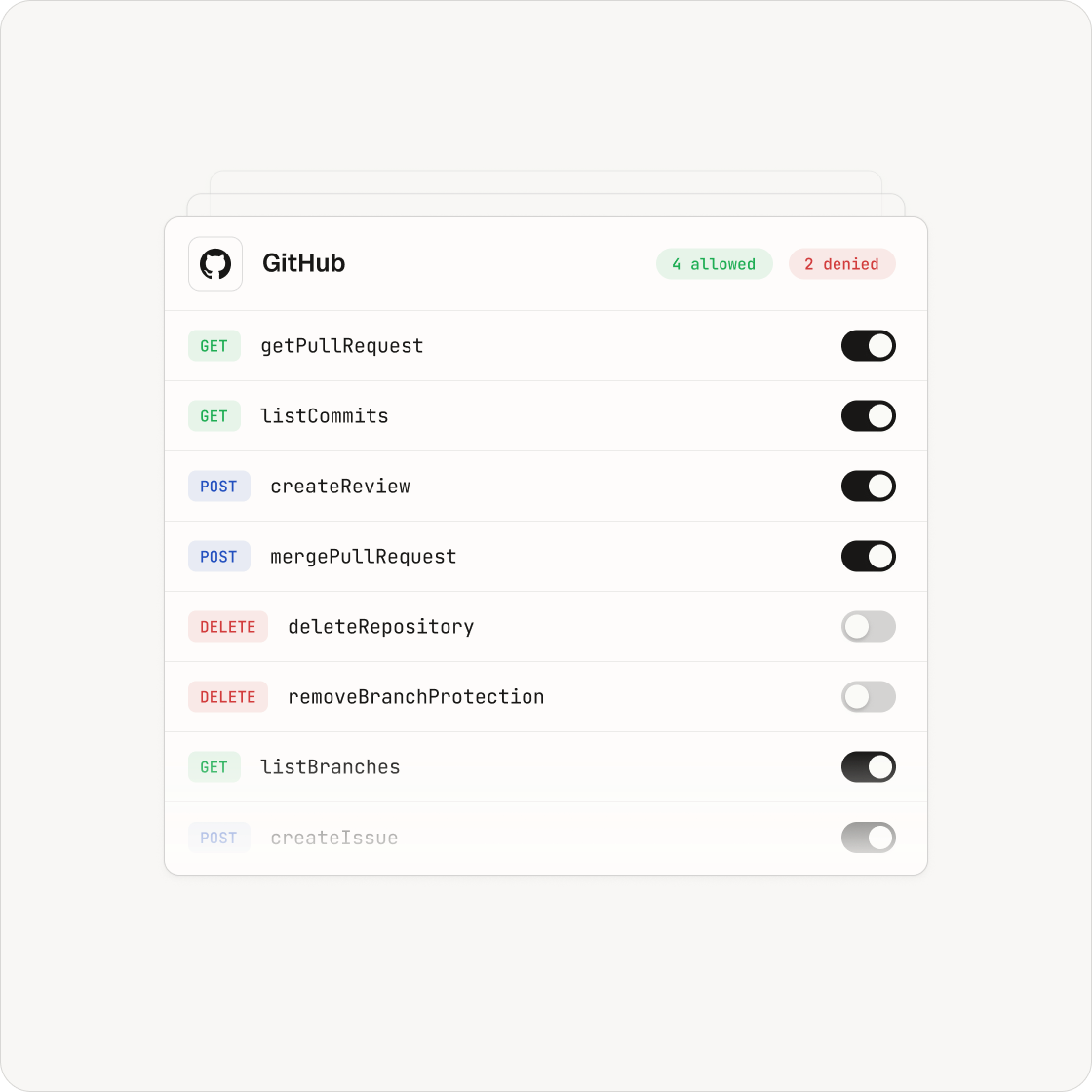
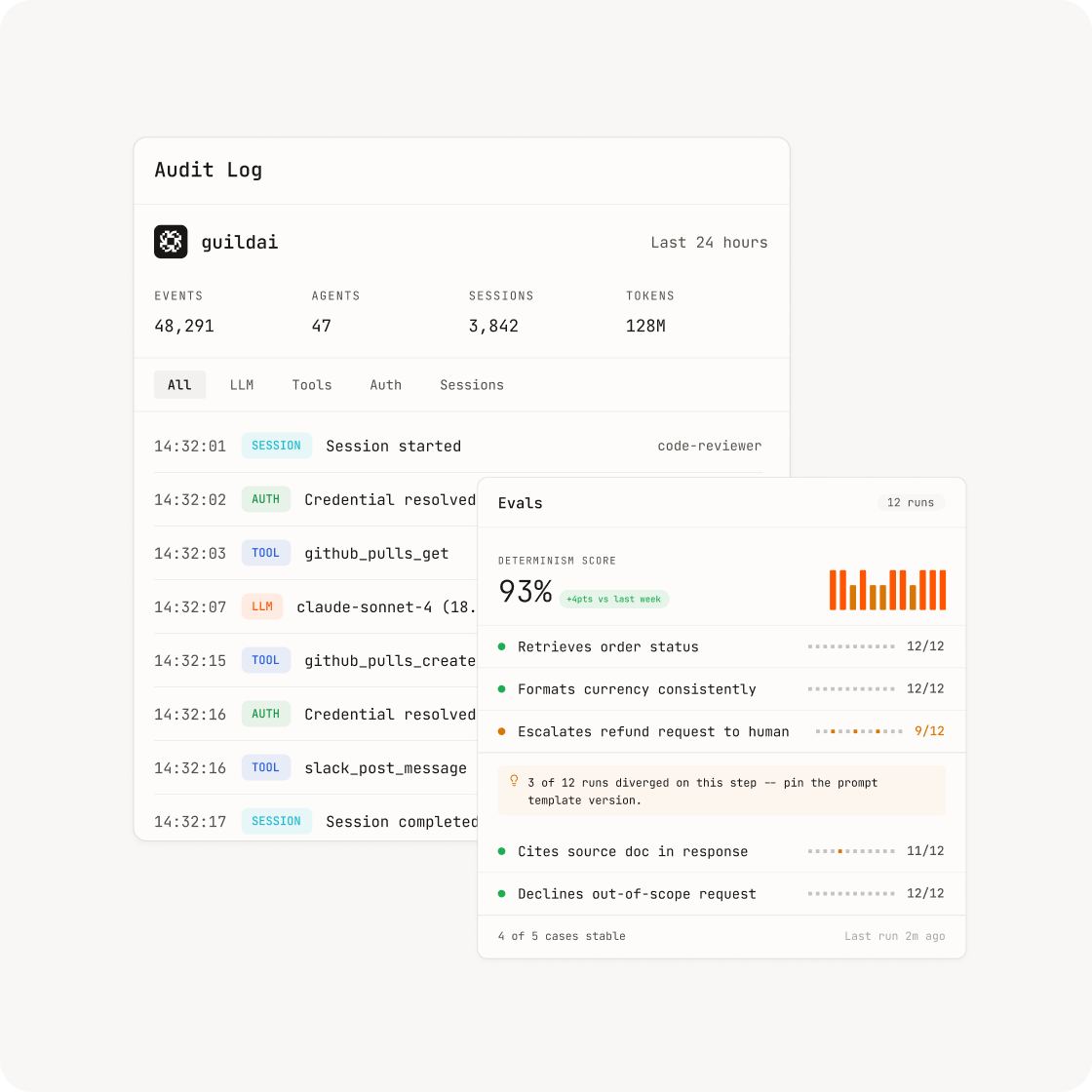
Identify every agent, control what it can access, and maintain a complete record of what it does at runtime.
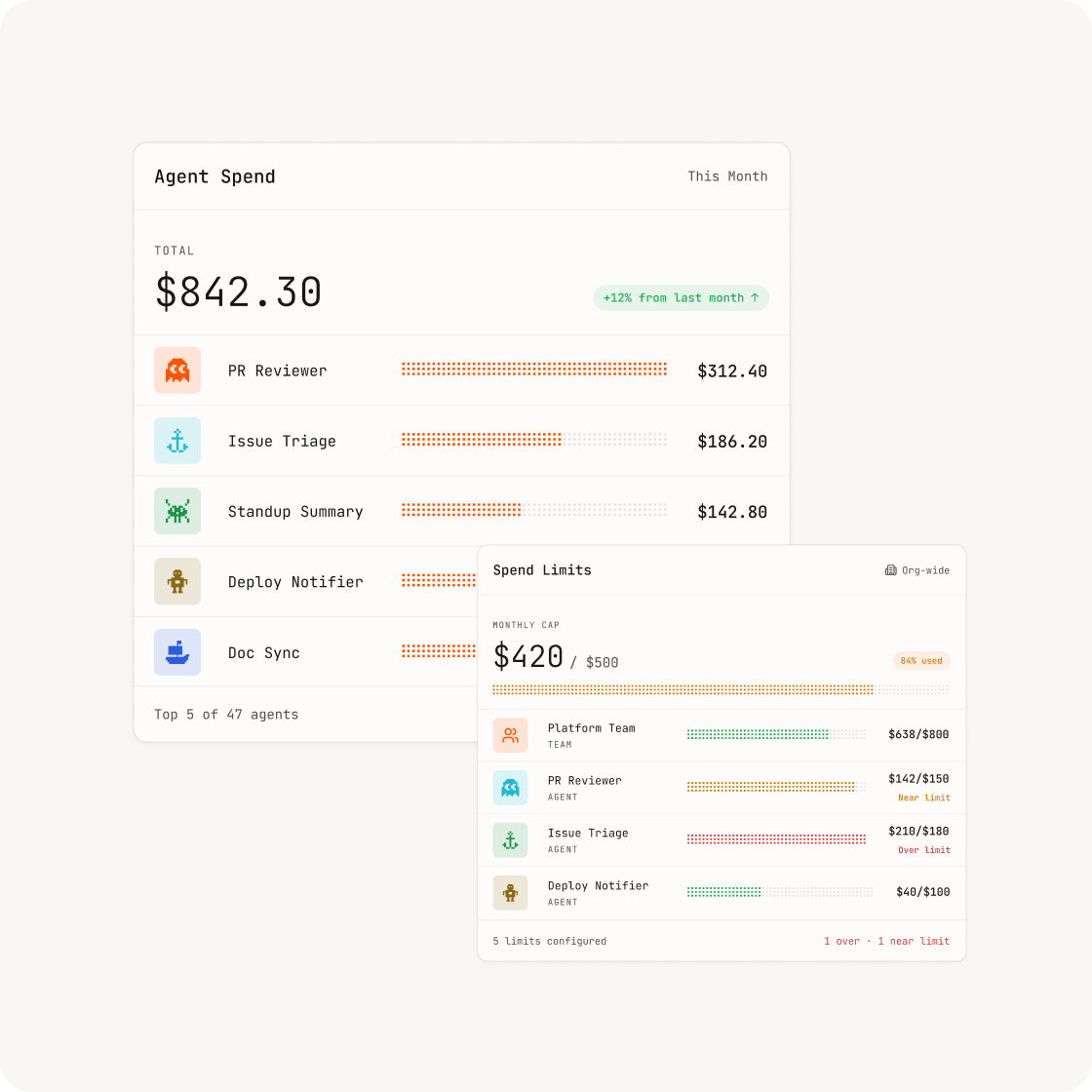
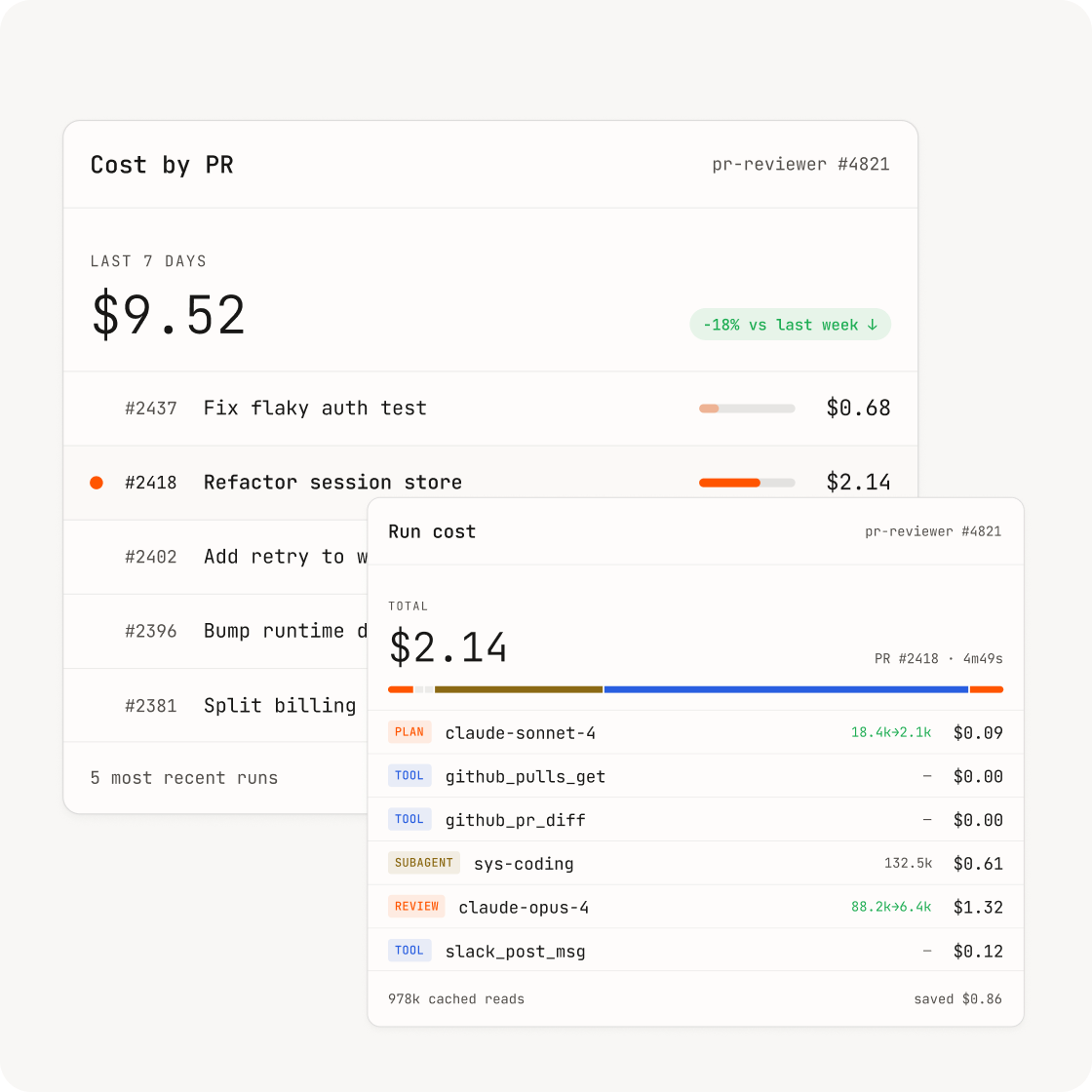
Measure adoption, performance, and spend. Use those insights to optimize agents and scale what works.
Guild creates a shared operating model without forcing every team to work the same way. Engineers keep the tools and workflows they prefer, while platform, security, and leadership teams gain consistent visibility and control across every agent.
Guild gives leaders one view of agent adoption, activity, performance, and cost across the organization.
Move beyond counting experiments. See how agents are changing the way your organization operates.
Give every team a trusted path to production
Turn scattered agent projects into an organization-wide capability. Guild provides the infrastructure teams need to adopt agents faster—and the visibility and control required to scale them with confidence.
Guild keeps you flexible, so agents aren’t tied to a single model vendor or setup.
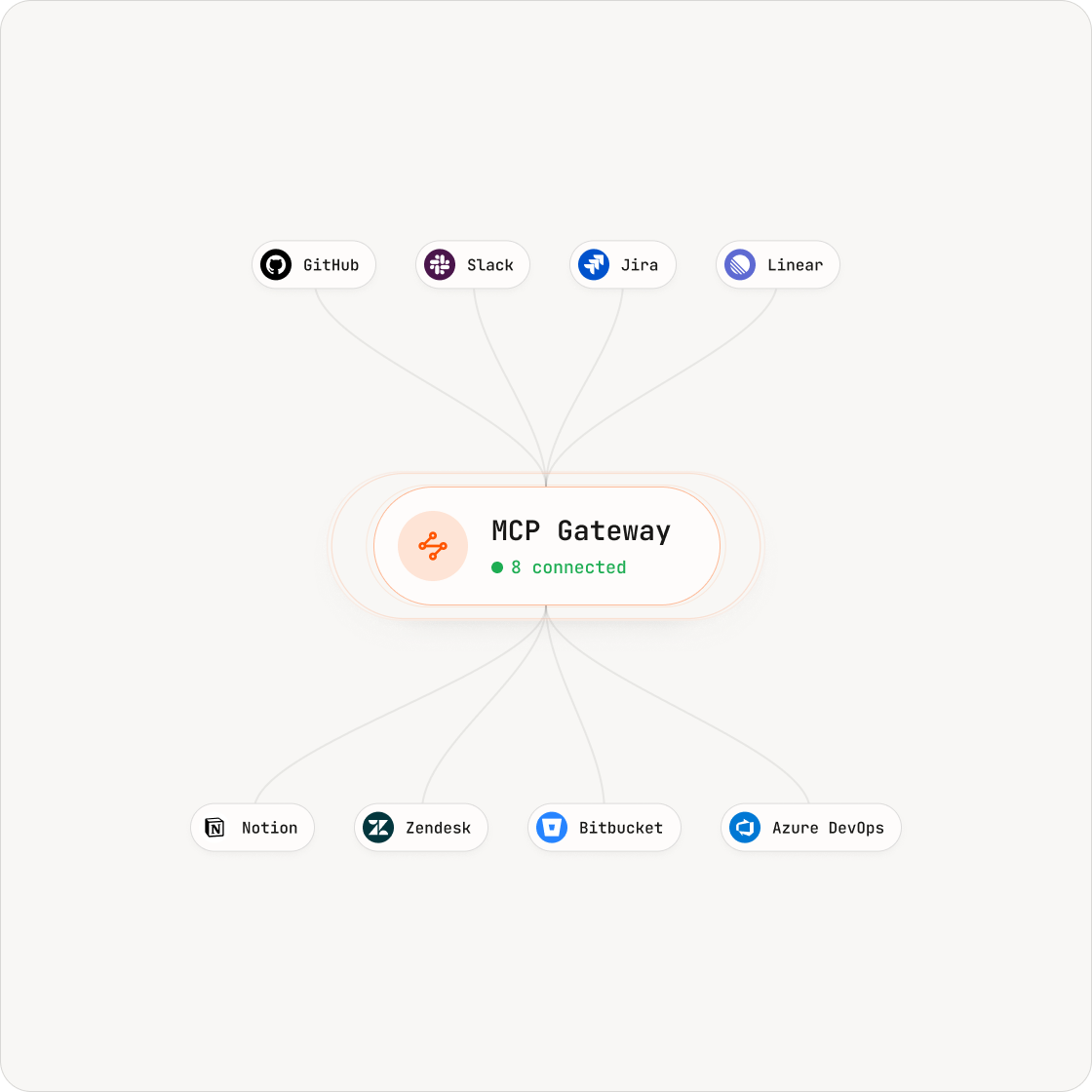
Connect the systems your team already runs on—no migrations required.
Frequently asked questions
AI adoption is a team using AI. AI transformation is an organization operating on AI. Adoption is bottom-up and often chaotic. Transformation requires shared infrastructure, governance, and a repeatable path from experiment to production so agents become part of how the business runs, not one-off projects on the side.
Pilots succeed on individual effort. Production requires shared infrastructure that most companies haven't built: identity, credentials, permissions, audit trails, observability, and cost controls, applied consistently across every agent. Without that layer, each new agent triggers the same integration work again. Guild is that layer.
Guild provides one operating model without forcing every team to work the same way. Engineers keep their preferred tools and workflows. Platform teams define a secure path from development to production. Security teams get centralized governance and audit trails. Leadership sees adoption, spend, and value across every agent, in one view.
Yes. Guild is neutral by design. Every team can bring agents built with the framework, model, and tools they already use. Guild provides the shared control plane above all of them, so the organization gets consistent governance without forcing team-level standardization.
Guild gives leadership one view of agent adoption, activity, performance, and cost across the organization. Track usage by team, agent, user, and model. See which agents are delivering value and which aren't. Move from anecdotal AI reporting to measurable transformation outcomes.